Why Life Abroad as a Medical Student Matters
Every year, we at Annamalayar Education meet hundreds of students who dream of becoming doctors but struggle to find the right opportunity in India. or many students I’ve worked with, the decision to study medicine overseas ends up being the point where their entire MBBS journey truly begins.
Studying medicine overseas opens doors to world-class universities, advanced clinical exposure, and a global network of peers. When I first started guiding students, I noticed one thing those who took this path didn’t just return as qualified doctors; they came back as more confident, disciplined and culturally aware individuals.
Choosing Life Abroad as a Medical Student: First Steps
Over the years, I’ve met countless students who dream of studying medicine abroad. I always tell them to slow down for a moment, it’s easy to get swept up once those offer letters start coming in. What matters more is finding the place and program that actually fit the kind of doctor they hope to become.
During our sessions at Annamalayar Education, I often start with one simple question: “What kind of doctor do you want to become, and where do you see yourself practicing?” This one question usually sets the direction for everything else, it helps identify the right country where their medical degree will be accepted and their goals can take shape, whether that’s in India or overseas.
Right now, Georgia and Uzbekistan are among the most trusted destinations for Indian students. Each has its own academic pattern, standard of living, and language of instruction. Universities approved by the National Medical Commission (NMC) give students the confidence to appear for FMGE/NEXT exams after graduation.
When comparing universities, I always tell parents, don’t just chase the lowest fees. Focus on safety, hospital exposure, and student comfort. That’s why, at Annamalayar Education, we help families compare options clearly, without confusion.
If you’d like to see which universities are officially recognized, check the NMC website, it’s the most reliable source.

Academic Experience in Life Abroad as a Medical Student
Every student’s academic life overseas starts with a short adjustment period. I’ve watched many students go from large, crowded classrooms in India to smaller, discussion-based ones abroad. Professors encourage questions, understanding, and curiosity not memorization.
Their routine looks structured but exciting. Morning lectures, followed by anatomy or pathology sessions, then group discussions on real medical cases. Each day connects textbook learning to real hospital experience.
What makes a big difference is early clinical exposure. Most foreign universities send students to hospitals within the first couple of years, helping them build confidence and comfort around patients.
The hands-on learning stands out. Whether it’s observing live surgeries or using advanced medical tools, students learn by doing. The integrated system linking theory, lab and hospital work, keeps their learning continuous and practical.
Collaborating with international professors and taking part in research work abroad gives students far more than academic credit. It turns theory into experience and helps them face real medical situations with confidence.
Many of our students say their time abroad completely changed how they think and work with people. The lessons they pick up there stay with them not only through medical school but well into their professional lives.
Social and Cultural Side of Life Abroad as a Medical Student
This stage brings real personal growth. Life abroad as a medical student is more than classroom learning. It’s learning how to live, adapt, and grow in a new culture.
The first few weeks can be challenging different food, weather, and people. But after a few weeks, students usually find their circle classmates who turn into real friends and make life abroad easier.
From food fairs to cultural nights, campus life abroad is full of color and connection. These small experiences quietly teach students independence and respect for every culture around them.
Adjustment takes patience. I always advise students to stay open-minded and engage with locals learning their customs shows respect and builds trust.
At Annamalayar Education, we emphasise maintaining a balance between academics and social life, it reduces homesickness and helps students settle faster.
Financial and Practical Realities of Life Abroad as a Medical Student
In our experience, students who care about both affordability and comfort usually prefer Georgia or Uzbekistan. Managing daily expenses like food, rent, and travel is rarely a problem. The hostels are secure, maintained well, and close to universities a big plus for those moving abroad for the first time.
If you’re looking for the real cost of tuition and where to stay in Georgia or Uzbekistan, reach out to Annamalayar Educational Trust via phone or WhatsApp on +91 94871 49009.
Challenges and Smart Tips for Succeeding in Life Abroad as a Medical Student
Every student goes through a few rough patches at first. I’ve seen bright ones lose confidence early on simply because everything feels new — the language, the culture, even the weather.
With a steady attitude, you can handle it all. Before my students leave, I share a few things that help them settle faster and feel more at home.
- Pick up basic local words they help more than you’d expect.
- Stay close to Indian student networks for support.
- Keep your routine organized plan study time ahead.
- Don’t stay alone, Join campus events and make friends
- Be strong on difficult days and during exam time.
Students who adapt quickly and keep their goals in sight usually grow faster not just in academics, but in how they handle life abroad.
Future Outlook: Life Abroad as a Medical Student and Beyond
Graduating as an international medical student opens multiple career paths. Some students return to India, clear the FMGE/NEXT exams, and begin practicing here. Others choose to continue career after studying medicine abroad by applying for postgraduate programs in the U.S., U.K., or other countries.
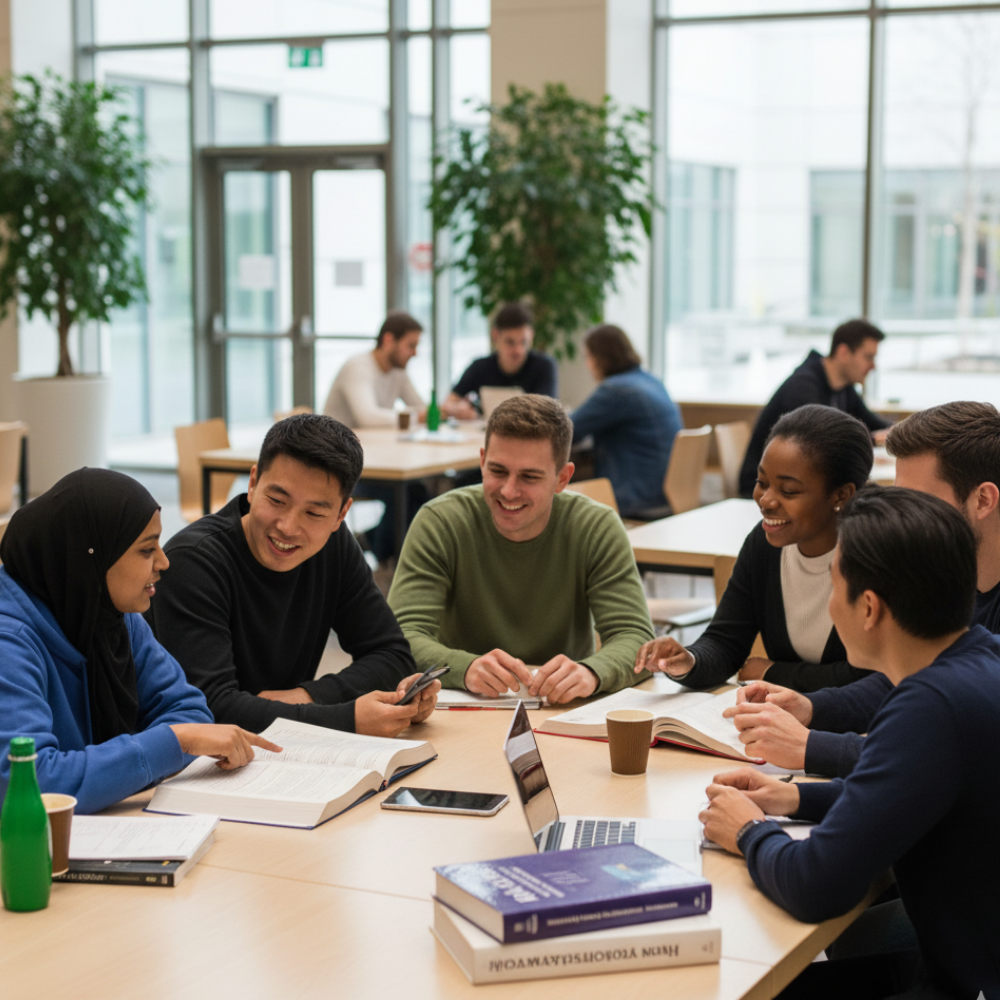
The exposure you gain from studying with global peers and professors gives you an edge. You’ll understand diverse healthcare systems, patient communication methods, and ethical standards essential skills for today’s global medical environment.
From our experience at Annamalayar Education, those who embrace the challenges of life abroad as a medical student come back as independent professionals ready to serve patients anywhere in the world.
A medical degree abroad is not just a qualification, it’s a transformation. The experience shapes you on all levels academic, personal, and social.
FAQs
1. Is studying medicine abroad valid in India?
Yes, but only if the university appears on the National Medical Commission (NMC) list. Take a moment to verify it on the official site it saves a lot of confusion later.
2. What is the average cost of studying medicine abroad?
Usually around ₹30 – ₹35 lakhs in total, based on the country and living costs.
3. Do students face language problems abroad?
Initially, yes. But classes are in English, and students adjust quickly.
4. Can I work while studying abroad?
Some countries permit part-time jobs, but your studies should always stay the main focus.
5. How can Annamalayar Education help me get started?
We handle the entire process from shortlisting universities to visa and pre-departure support. Contact Annamalayar Education for counseling.
Conclusion
In my time at Annamalayar Education, I’ve seen students start out nervous and come back as confident, capable doctors. Life abroad isn’t always smooth it pushes you, tests you but it shapes you in ways no classroom can.
If you’re thinking about this path, plan it right and take the leap. Our team at Annamalayar Education will be with you through every step from forms and flights to finding your footing overseas.
Your dream of becoming a doctor goes beyond borders all it needs is the right start.